
Unterrichtsstunde · Patagonia · 🇦🇷 Argentina

Patagonia - the windswept south

A huge, wild, sparsely populated land at the bottom of the world

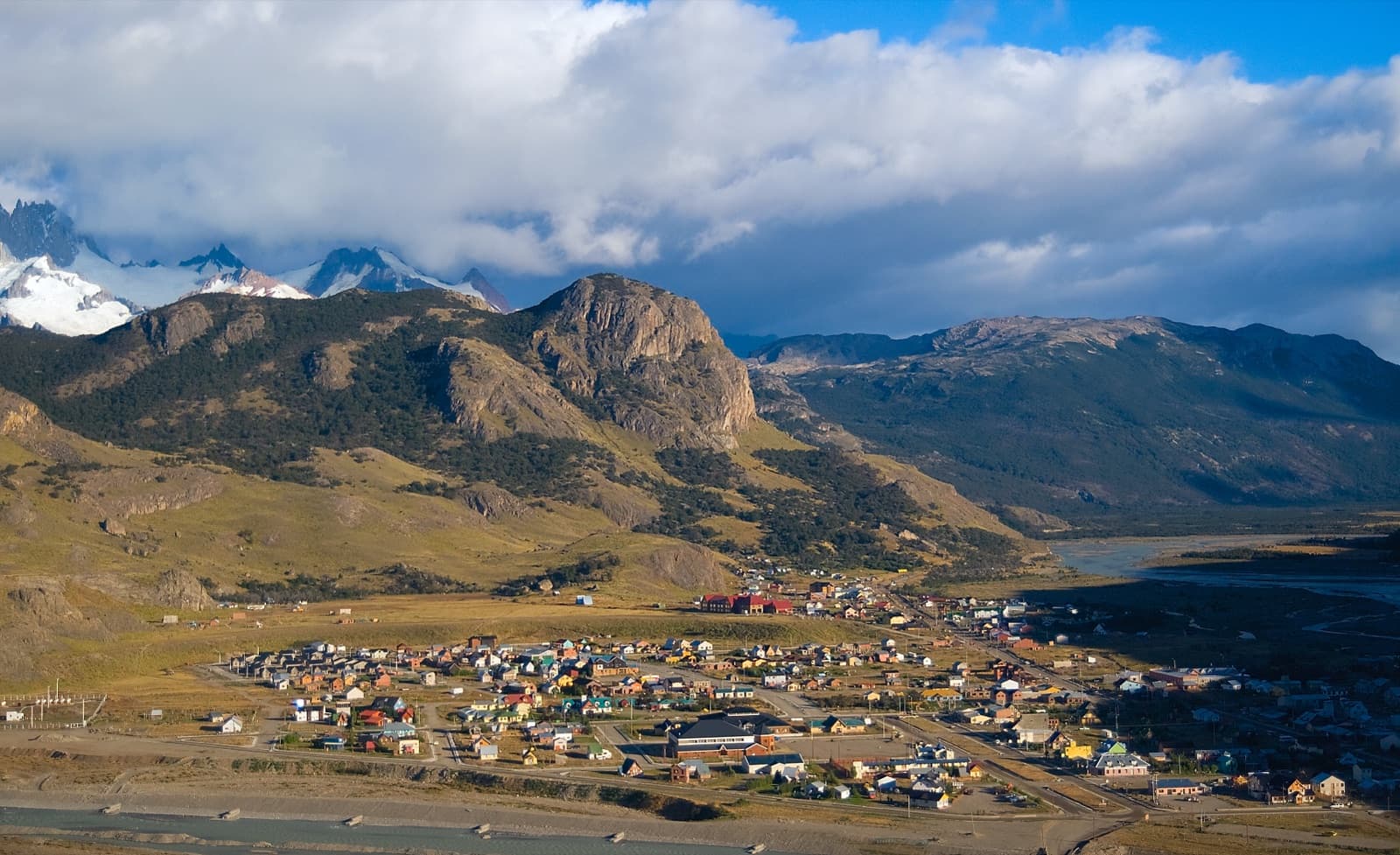
The village of El Chaltén with mountain peaks rising behind it in Patagonia

Photo · Wikimedia Commons

Was ist das?

Patagonia is the name of the wide, windy southern part of Argentina (and a small part of Chile). It is famous for being huge, wild, and almost empty - there are guanacos and penguins, snow-capped mountains, blue glaciers and lakes the colour of milk. Patagonia is bigger than France, Spain and Germany combined.

Mehr erfahren

Patagonia stretches from the middle of Argentina down to the very southern tip of the continent, almost touching Antarctica. The further south you go, the colder and windier it gets. Some Patagonian towns are so windy that the trees grow at a slant, pointing away from the wind.

Very few people live there. While the city of Buenos Aires has 15 million people, all of Patagonia put together has fewer than 2 million. There are huge areas with no roads, no houses, just sheep, guanacos and giant blue skies.

Patagonia has all sorts of landscapes squeezed in next to each other. In the west are the Andes mountains, with glaciers and forests. In the middle are wide grassy plains called steppe. On the east coast, where the cold Atlantic Ocean meets the land, are the beaches where Magellanic penguins come to nest every year.

The name 'Patagonia' was given by European sailors hundreds of years ago. They claimed they had seen giant footprints in the sand - 'patagón' means 'big-footed'. There were no actual giants, of course - probably just large boots worn by tall local people. But the name stuck.

Im Unterricht

In 15 Minuten mit Ihrer Klasse durchgehen.

Gemeinsam sprechen

Impulse für das Gespräch

  1. 01Patagonia has very few people. What might it feel like to live somewhere with no neighbours for many kilometres?
  2. 02Why do you think the wind in some places makes the trees grow sideways?
  3. 03If you could pack one bag and visit Patagonia, what three things would you take?
Probiert das aus

Aktivität für den Unterricht

As a class, compare Patagonia to your own town: population, area, what plants grow there. Then draw a Patagonian tree leaning over from the wind. Discuss: what would your school's flag do all day long if you lived there?

Mehr über Argentina

Weitere Dinge, die Argentina besonders machen

Soll Ihre Klasse Argentina kennenlernen?

Wählen Sie bei der Anmeldung Argentina, und wir zeigen Ihnen, wie es mit den Zeitzonen aussieht.

Register your classroom