
Lección en el aula · Wildlife · 🇼🇸 Samoa

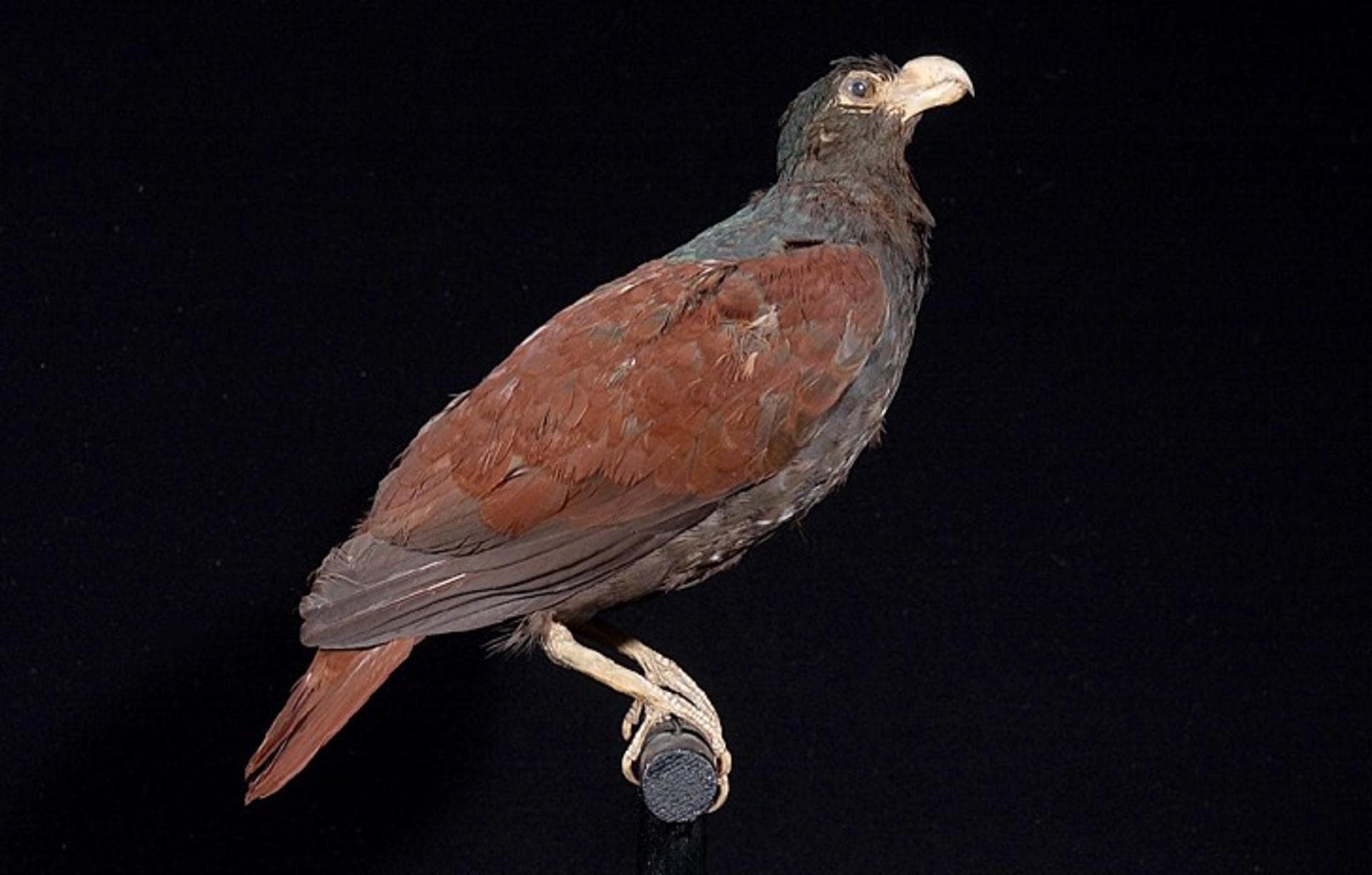
Manumea - Little Dodo Bird

Samoa's extremely rare national bird, related to the dodo

A plump blue-grey pigeon with a hooked beak perched on a branch

Photo · Wikimedia Commons

¿Qué es?

The manumea, also called the tooth-billed pigeon or 'little dodo', is Samoa's national bird. It is a large, plump pigeon with a remarkable hooked beak - a bit like a parrot's. Scientists believe it is the closest living relative of the famous dodo, a bird that lived on the island of Mauritius long ago.

Cuéntame más

The manumea is found only on the islands of Upolu and Savai'i in Samoa. Because the forests it lives in have shrunk over the years, the manumea has become extremely rare. Scientists think there are very few left, making it one of the most endangered birds in the Pacific.

The bird's hooked beak is specially shaped for cracking open very hard seeds and fruits that other birds cannot eat. This gives the manumea its own special food source that it does not have to share! It is a shy bird that spends most of its time up in the tall trees of undisturbed forest, which is why it is so rarely seen.

In Samoan, 'manu' means 'bird' and 'mea' means 'red or precious thing' - so the manumea is the precious bird. Conservation groups and Samoan schoolchildren are working together on projects to record sightings and protect the forest where the manumea lives. Every reported sighting is treated as wonderful news.

En el aula

Guía a tu clase a través de esto en 15 minutos.

Hablen juntos

Preguntas para debatir

  1. 01The manumea is the national bird of Samoa, even though almost no one ever sees one. Why do you think countries choose rare or special animals as national symbols?
  2. 02How might protecting the manumea's forest help lots of other animals too?
  3. 03If you were a conservation scientist, what three things would you do first to help protect the manumea?
Prueba esto

Actividad en el aula

Design a conservation campaign to help the manumea. Create: (1) a logo, (2) a catchy slogan, and (3) a list of three ways ordinary people - including children - can help. Present your ideas as a mini-poster.