
Leçon en classe · Wildlife · 🇺🇦 Ukraine

Gray wolf - the forest hunter

Smart, family-loving wolves still roam Ukrainian forests

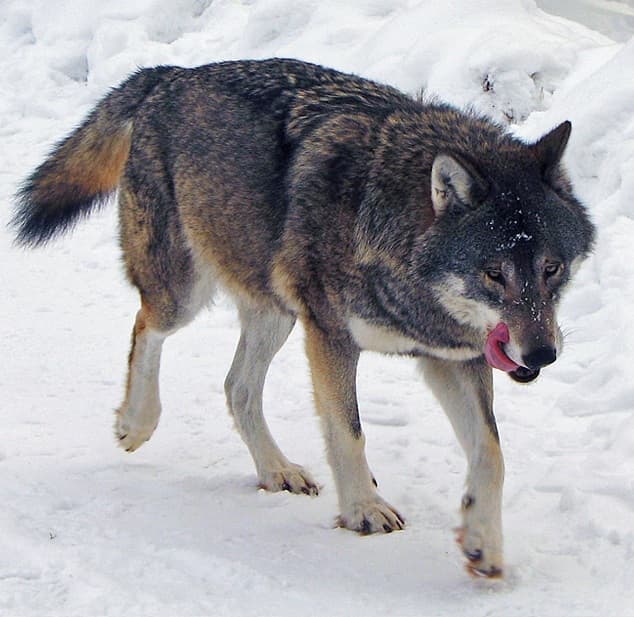
A gray wolf with thick fur looking out from a forest of birch trees

Photo · Wikimedia Commons

Qu'est-ce que c'est ?

The gray wolf is one of the most famous wild animals in the world, and Ukraine is one of the European countries where wolves still live freely in the forests. Wolves look a bit like very big, very fluffy dogs - which makes sense, because dogs are descended from wolves.

En savoir plus

Wolves live in family groups called 'packs'. A pack usually has a mum, a dad, and their pups from the last few years. They hunt together, look after each other and travel as a group. Pups stay with their parents until they are old enough to help raise the next set of pups.

The famous howl of a wolf is not a scary noise - it is a phone call. Wolves use howls to tell their family where they are, to call them home, or to warn other packs to stay away. Each wolf has its own slightly different voice, so a pack can tell exactly who is howling.

A wolf has an incredible sense of smell, hundreds of times better than ours. They can pick up the smell of a deer from over a kilometre away on a still night. They can also hear very high sounds - much higher than humans can hear.

Wolves try very hard to avoid people. In areas where wolves live, people who work in the forest say they almost never see one. The wolf usually hears or smells them first and slips quietly away. Most Ukrainians have never seen a wild wolf, even though they live in the same country.

En classe

Animez cette leçon avec votre classe en 15 minutes.

Discutez-en ensemble

Pistes de discussion

  1. 01Why might it be useful for a hunting animal to live in a family rather than alone?
  2. 02Wolves and dogs are related. What things do dogs still do that remind you of wolves?
  3. 03Most people in wolf areas never see a wolf. Why might an animal be famous and yet almost invisible?
À essayer

Activité en classe

Stand in a circle with eyes closed. Ask one child to make a 'howl' sound (a long 'oooo'). The others try to guess who made it - just by the voice. Try it with several children. How accurately can your pack recognise each other?